
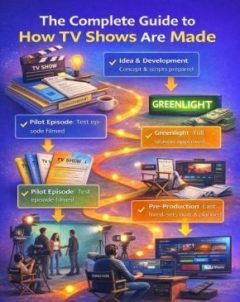
The Complete Guide to How TV Shows Are Made
Every TV show you watch, whether on network TV or a streaming platform, goes through a long and complex process before it reaches your screen. While it may look simple from the outside, creating a TV show involves multiple stages, from the initial idea to filming, editing, and finally distribution.
Over the years, this process has evolved, especially with the rise of streaming services. But the core steps remain similar, and understanding them helps explain why some shows succeed while others never make it to air.
Short Answer
TV shows are made through a multi-step process that includes development, pilot production, greenlighting, filming, post-production, and distribution. Each stage involves creative, financial, and strategic decisions that determine whether a show moves forward or gets canceled before it even airs.
How the Process Starts: The Idea and Development Stage
Every TV show begins with an idea. This idea can come from a writer, a producer, or even a network looking to fill a specific type of content.
During development:
- writers create the concept and characters
- a script is written (usually for the first episode)
- producers and studios evaluate the potential
This stage can take months or even years. Many ideas never move past this point.
The Pilot Episode: Testing the Show
If a network or streaming platform is interested, the next step is usually a pilot episode.
A pilot is the first episode of a show, created to test whether it works. It helps networks decide:
- if the story is engaging
- if the cast fits the roles
- if the show matches their audience
Most pilots never become full series, which is why this stage is critical.
The Greenlight: When a Show Gets Approved
If the pilot performs well internally, the show gets a “greenlight.”
This means:
- the network or platform orders a full season
- budgets are approved
- production begins at a larger scale
At this point, the show officially becomes part of the network or platform’s lineup.
Pre-Production: Planning Everything Before Filming
Before cameras start rolling, a lot of planning takes place.
This includes:
- casting actors
- building sets or choosing locations
- scheduling filming dates
- organizing the production crew
Pre-production is where the foundation of the show is finalized.
Production: Filming the Show
This is the stage most people think about when they imagine how TV shows are made.
During production:
- scenes are filmed
- directors work with actors
- multiple takes are recorded
Depending on the show, filming can take place in studios, on location, or both. For more details visit Why Some TV Shows Are Single-Camera and Others Aren’t
Post-Production: Editing and Finalizing
After filming, the show moves into post-production.
This stage includes:
- editing footage
- adding music and sound effects
- visual effects (if needed)
- finalizing each episode
Post-production is where the show comes together into the final version viewers see.
Distribution: Getting the Show to Viewers
Once episodes are completed, they are scheduled for release.
For network TV:
- episodes follow a weekly schedule
- timing is based on ratings strategy
For streaming platforms:
- episodes may be released all at once or weekly
Distribution decisions are based on audience behavior and business strategy.
Why Some Shows Never Make It to Air
Even after going through development and pilot stages, many shows are never released.
This can happen because:
- the pilot does not meet expectations
- budget concerns
- changes in network strategy
- competition from other shows
This explains why viewers often hear about shows that were “in development” but never appear.
How Streaming Has Changed the Process
Streaming services have introduced several changes to how TV shows are made.
- fewer episodes per season
- higher production budgets
- more creative flexibility
- global releases
Unlike traditional networks, streaming platforms often skip the pilot stage and go straight to full series orders.
Why the Process Matters for Viewers
Understanding how TV shows are made helps explain:
What happens behind the scenes has a direct impact on what viewers see on screen.
Frequently Asked Questions About How TV Shows Are Made
How long does it take to make a TV show?
It can take several months to years. Development alone can take years, while filming and post-production may take several months per season.
What is a pilot episode?
A pilot is the first episode created to test whether a show should be produced as a full series.
Who decides if a TV show gets made?
Networks, streaming platforms, and studios make the final decision based on scripts, pilots, and business considerations.
Why do some shows skip the pilot stage?
Streaming platforms often order full seasons directly to compete faster and attract subscribers.
Why are some shows canceled before airing?
Shows can be canceled due to budget issues, creative concerns, or changes in strategy, even after production begins.
Key Takeaway
TV shows are not created overnight. They go through a detailed process that involves planning, testing, production, and strategic decisions. While viewers only see the final product, every show represents months or years of work behind the scenes.
This topic is part of our guide explaining how television scheduling, economics, and production decisions work.
See the full overview in How TV Works.