



How TV Shows Make Money. Television series today utilize a variety of business models to generate revenue. From traditional advertising to streaming subscriptions, popular shows bring money through long-standing and emerging platforms. Here’s a deeper look at where the money comes from:
Advertising Rules for Broadcast Networks
Advertising represents the central business for major broadcast networks like ABC, CBS, NBC, and FOX. During primetime, 30-second commercials can cost over $200,000. Top shows like This Is Us or Grey’s Anatomy can make networks tens of millions by selling ad time during new episodes.
Additional syndication rights for reruns represent another critical revenue stream. Popular sitcoms like The Office and How I Met Your Mother have earned their networks hundreds of millions through syndicated reruns. Even after a show ends, networks collect ad dollars through local stations, cable reruns, and streaming deals.
Cable Fees Pay for Premium Channels
Cable networks earn money primarily through affiliate fees—what they charge pay-TV providers for the right to air their content. ESPN earns the highest affiliate fee, at over $7 per subscriber per month. Other popular channels like TNT, TBS, FX, AMC, and Discovery earn fees between $1 and $2 per subscriber. Those fees quickly add up to billions for major channels available in over 90 million households.
With a growing array of niches, cable networks can also better target specific audiences. Channels like HGTV, Food Network, and Travel Channel cater to passionate fanbases who flock to their content. Niche programming allows higher affiliate fees and premium ad rates for the target demo.
Subscriptions are the main business model for premium cable networks like HBO and Showtime. However, affiliate fees still provide around half of revenues. So, even for premium channels, distribution deals with pay-TV partners remain crucial.
Streaming Subscriptions

For streaming platforms like Netflix, Amazon Prime Video, and Hulu, subscriber fees are charged for content licensing and original programming. Netflix earns around $15 per monthly customer, enabling an enormous content budget. 2022 spending on original shows and movies topped $17 billion.
Streaming services invest heavily in exclusive originals to drive new subscribers. Flagship series like Stranger Things, The Crown, or Jack Ryan can cost over $10 million per episode. The gambles pay off by growing global subscriber bases.
Hybrid Models
Many current hit shows employ hybrid models that maximize revenue through traditional TV and streaming platforms. AMC’s Better Call Saul airs first on cable before moving exclusively to Netflix after each season. NBC’s This Is Us is available to stream on Hulu shortly after live airing. HBO mega-hit Game of Thrones was both a cable phenomenon and a global streaming sensation.
Below is the list of some of the most money maker shows:
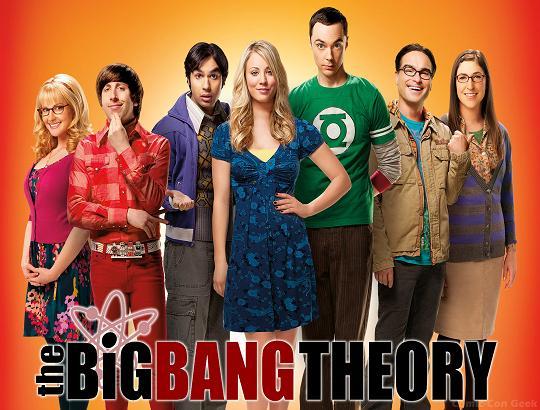
The Big Bang Theory (CBS): $326,260 per 30-second slot – As one of the most popular sitcoms on TV, The Big Bang Theory commanded premium advertising rates, especially for slots during new episodes. At its peak, a half-minute ad during the show cost over $300,000.

Modern Family (ABC): $245,842 per 30-second slot – The long-running ABC comedy hit also fetched high advertising prices. Companies paid almost a quarter million dollars for ad time during Modern Family episodes.
This Is Us (NBC): $227,375 per 30-second slot – NBC’s drama hit This Is Us has been among the most expensive shows for advertisers in recent years, with 30-second ads going for as high as $227k.
Grey’s Anatomy (ABC): $215,222 per 30-second slot – Even in its later seasons, the hugely popular medical drama still charges over $200k per ad during new episodes.
The Simpsons (Fox): $203,947 per 30-second slot – The iconic animated sitcom has maintained its premium ad rates over decades, with 30-second commercial spots costing north of $200,000.

Friends (NBC): $200,000+ per 30-second slot—During its original run on NBC in the late 1990s/early 2000s, Friends charged well over $200k for prime commercial slots.
Seinfeld (NBC): $167,500 per 30-second slot – In its peak during the 1990s, ads during Seinfeld episodes cost around $167,500, making it one of the priciest at the time.
In conclusion, the most coveted and expensive ad slots typically go to long-running, massively popular comedies and dramas on major broadcast networks. Advertisers will pay over $200,000 for 30 seconds to reach those vast, engaged audiences.