
What is Live TV? Understanding Its Impact and Function
Watching live TV feels like being part of something as it happens. Over 90 million viewers tuned in live for the Super Bowl last year, all sharing real-time excitement together. Most would expect the magic to come from the big-screen action or celebrity glitz. Yet, the real draw is the raw authenticity and unfiltered connection that only live television brings. Audiences crave these unscripted moments, and it is this spontaneity that keeps live TV so powerful in a world full of polished, on-demand content.
Table of Contents
- Defining Live TV: The Essence Of Real-Time Broadcasting
- The Importance Of Live TV: Why It Remains Relevant
- How Live TV Works: Technology Behind The Scenes
- Key Features Of Live TV: What Sets It Apart From Other Formats
Quick Summary
| Takeaway | Explanation |
|---|---|
| Live TV offers real-time experiences | Audiences witness events as they happen, providing an authentic connection. |
| Immediate delivery of breaking news | Live broadcasts communicate critical information without delay, enhancing situational awareness. |
| Shared cultural experiences unite communities | Live TV fosters collective engagement during significant events, creating emotional connections. |
| Cutting-edge technology enhances viewing | Advances in broadcasting technology improve picture and sound quality, enriching the live experience. |
| Unedited authenticity captivates audiences | The raw nature of live broadcasts offers genuine moments that pre-recorded content cannot replicate. |
Defining Live TV: The Essence of Real-Time Broadcasting
Live TV represents a unique form of media transmission where television content is broadcast simultaneously as it occurs, creating an immediate and unfiltered connection between the event and viewers. Unlike recorded programming, live television captures moments in their most authentic state, delivering real-time experiences across broadcast networks.
The Core Characteristics of Live Broadcasting
At its fundamental level, live TV involves the instantaneous transmission of events, performances, sports, news, and entertainment directly to audiences as they unfold. According to research from Washington State University, television provides visual information that can broadcast significant national events in real-time, such as presidential addresses, demonstrating its critical role in contemporary communication.
Key characteristics of live TV include:
- Immediate Transmission: Content is broadcasted without significant delay
- Real-Time Experience: Viewers witness events simultaneously with their occurrence
- Unedited Authenticity: Minimal post-production intervention preserves the raw nature of the event
The Technological Infrastructure of Live Broadcasting
The technological ecosystem supporting live TV is complex and intricate. Broadcasting networks utilize sophisticated transmission systems that convert visual and audio signals into electromagnetic waves, which are then received by television sets in homes, creating a seamless real-time viewing experience.
Interestingly, while traditional broadcasting methods remain prevalent, emerging technologies are transforming how we understand live content. Learn more about evolving TV technologies as networks continue to adapt to changing viewer preferences and technological advancements.
Live TV remains a powerful medium that connects audiences to momentous events, breaking news, sports competitions, and entertainment spectacles, offering an unparalleled sense of immediacy and shared experience that transcends geographical boundaries.
The Importance of Live TV: Why It Remains Relevant
Live television continues to play a pivotal role in modern media consumption, offering unique experiences that transcend traditional recorded programming. Its ability to connect audiences to unfolding events in real-time makes it an irreplaceable medium in our rapidly changing digital landscape.
Connecting Communities Through Shared Experiences
Live TV serves as a powerful platform for collective engagement, bringing people together during significant moments. According to research during the COVID-19 pandemic, television viewership increased dramatically, highlighting its crucial role in maintaining social connections during periods of isolation.
Key reasons live TV remains essential include:
- Immediate Information Delivery: Breaking news and live events are communicated instantly
- Emotional Connectivity: Shared viewing experiences create collective emotional responses
- Cultural Synchronization: Major events are experienced simultaneously across different communities
Critical Broadcasting Domains
Several broadcasting domains continue to demonstrate the enduring significance of live television. Explore emerging TV technologies that are reshaping how we consume live content.
Sports broadcasting represents a prime example of live TV’s continued relevance. Major sporting events like the Super Bowl attract millions of viewers, creating unprecedented shared national experiences. News broadcasts similarly provide critical real-time information during emergencies, political events, and global developments.
Entertainment programming such as award shows, live music performances, and reality competitions also underscore television’s unique ability to generate immediate, collective excitement. These broadcasts transform passive viewing into interactive, communal experiences that social media and on-demand platforms cannot replicate.
Ultimately, live TV remains a dynamic medium that captures the unpredictability and authenticity of human experiences, offering viewers an unfiltered window into world events, cultural moments, and shared narratives.
To help clarify the unique advantages and domains of live TV, the table below summarizes where live television plays an essential and enduring role compared to other content formats.
| Broadcasting Domain | Importance of Live TV | Example Events |
|---|---|---|
| Breaking News | Immediate delivery of critical information as events unfold | Political announcements, emergencies |
| Sports | Real-time collective experiences that unite large audiences | Super Bowl, Olympics |
| Entertainment Events | Live participation and cultural moments, creating interactive shared excitement | Award shows, live performances |
| Reality and Competition | Unscripted, authentic reactions and outcomes that keep viewers engaged | Reality competitions |
| Social Connection | Fosters shared viewing and emotional bonding during significant societal moments | Live national ceremonies, memorials |
How Live TV Works: Technology Behind the Scenes
Live television represents a complex technological ecosystem that transforms raw visual and audio signals into seamless entertainment and information experiences. This intricate process involves multiple sophisticated stages of signal capture, transmission, and reception that happen almost instantaneously.
Signal Capture and Production
The live TV production process begins with sophisticated camera and audio equipment capturing real-time events. Professional production teams utilize multiple cameras, microphones, and specialized broadcasting equipment to record and process visual and audio content. According to research from the International Telecommunication Union, broadcast signals comprise comprehensive data streams including video, audio, and supplementary services like subtitles.
Key technological components in signal capture include:
- High Definition Cameras: Capture detailed visual information
- Professional Audio Equipment: Record crisp, clear sound
- Live Switching Consoles: Enable real-time video feed selection
Signal Transmission and Broadcasting
Once captured, signals undergo digital encoding and are transmitted through complex broadcasting infrastructure. Television networks utilize terrestrial, satellite, and cable transmission methods to distribute content across wide geographical areas. Explore the evolution of network broadcasting to understand how these transmission technologies have transformed over time.
Modern broadcasting technologies like Next Generation TV (ATSC 3.0) have revolutionized signal transmission. These advanced systems allow for more efficient spectrum usage, enhanced video quality, and interactive audience services. The digital transmission process converts visual and audio information into electromagnetic waves that can be received by televisions and digital devices worldwide.
Ultimately, live TV technology represents a remarkable convergence of engineering, communication, and real-time performance, enabling audiences to experience events simultaneously across different locations and platforms.
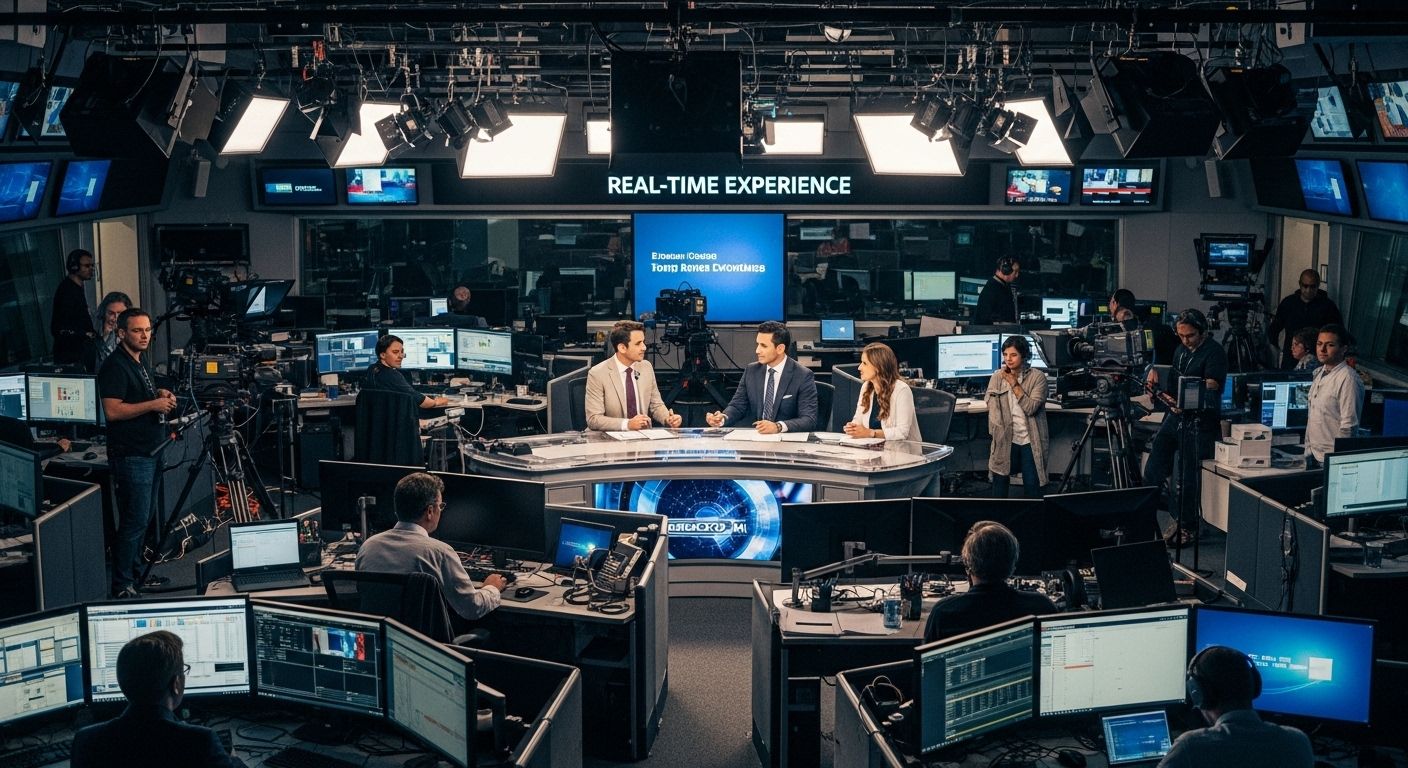
Key Features of Live TV: What Sets It Apart from Other Formats
Live television represents a unique media format distinguished by its dynamic, unfiltered, and immediate connection with audiences. Unlike pre-recorded or streaming content, live TV offers an authentic viewing experience that captures moments in their most genuine and spontaneous state.
Unparalleled Immediacy and Authenticity
The core distinguishing feature of live TV is its real-time transmission, creating an unmediated window into events as they unfold. According to research from the Library of Congress, live broadcasts support multiple sound channels, including advanced surround sound technologies, which enhance the immersive viewing experience.
Key characteristics that differentiate live TV include:
- Instantaneous Reporting: Breaking news and events are communicated without delay
- Unscripted Moments: Genuine, unpredictable interactions occur naturally
- Shared Cultural Experience: Audiences witness events simultaneously
Technical and Experiential Superiority
Live television offers technical advantages that set it apart from other media formats. Discover the future of broadcasting technologies and how they continue to evolve. Digital broadcasting signals provide superior picture quality, greater signal reliability, and enhanced viewer engagement compared to traditional analog transmissions.
Beyond technical specifications, live TV creates a sense of collective participation. Sporting events, award shows, and breaking news become shared cultural moments that generate immediate, widespread conversation. The inability to pause, rewind, or edit creates a raw, authentic viewing experience that on-demand platforms cannot replicate.
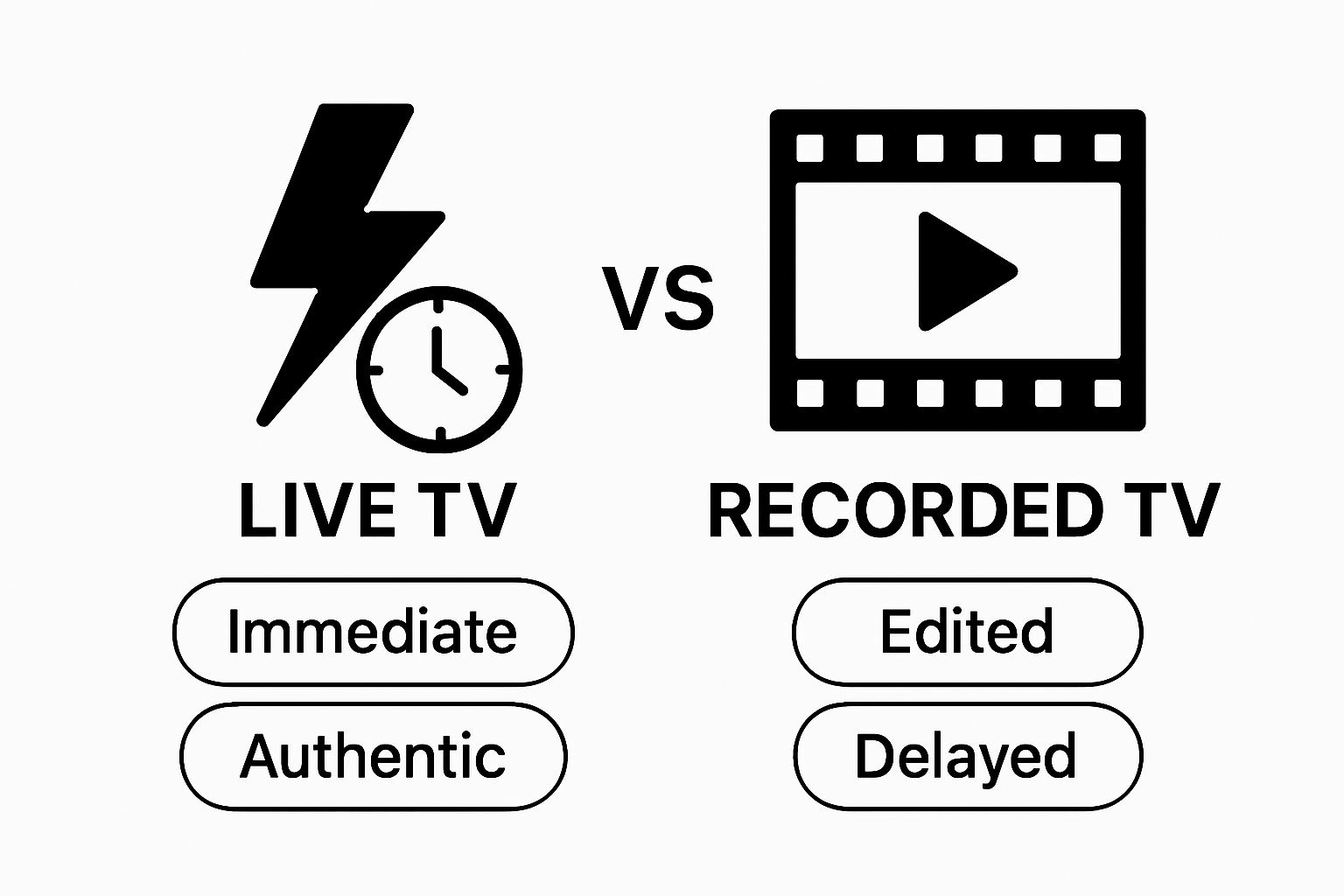
Ultimately, live TV remains a powerful medium that connects audiences through real-time storytelling, offering an unfiltered glimpse into human experiences across entertainment, news, and cultural events.
Experience the Power of Real-Time TV With Sparetimetv.com
Tired of missing the immediacy and authenticity that only live TV delivers? If you want to stay fully tuned in to unedited moments, real-time news, and sports as they happen, you need a guide that keeps pace with live television’s evolving world. This article explained how live broadcasting bridges communities through shared experiences, but many TV fans struggle to find accurate schedules, track breaking events, and discover top trending shows in real time.

Sparetimetv.com brings you the simplicity and immediacy you crave. Instantly access up-to-date TV guides and schedules for primetime shows, live premieres, top movies, and trending series. Find what’s on now so you never miss a live moment again. Get the real-time insights and curated recommendations that help you experience broadcast TV at its best. Visit Sparetimetv.com and take control of your live TV viewing today.
Frequently Asked Questions
What is live TV?
Live TV is a media format where television content is broadcast in real-time, allowing viewers to watch events as they occur, without any significant delay.
How does live TV work technically?
Live TV operates through an intricate process of signal capture, transmission, and broadcasting, utilizing high-definition cameras, professional audio equipment, and various transmission methods like terrestrial and satellite broadcasting.
What are the benefits of watching live TV compared to recorded programming?
Live TV offers an immediate and authentic experience, providing real-time information, unedited moments, and a shared cultural experience that recorded programming cannot replicate.
Why is live TV important in today’s media landscape?
Live TV remains essential due to its ability to connect communities during significant moments, deliver immediate news updates, and generate collective emotional responses, making it a dynamic medium in modern communication.