
What Is Network Primetime? Complete TV Guide Breakdown. Did you know that nearly 4 million viewers tune in live during network primetime each night? For decades, these evening hours have shaped what families watch together and determine which shows become cultural milestones. Networks battle for your attention with their flashiest programs and advertisers pay top dollar to reach you at this precise moment. Understanding how and why primetime works reveals how television still unites so many people at the same time.
Table of Contents
- Defining Network Primetime And Its Purpose
- How Network Primetime Schedules Work
- Differences Between Primetime In Major Regions
- Network Programming Strategies And Trends
- Impact Of Primetime On TV Viewers And Industry
Key Takeaways
| Point | Details |
|---|---|
| Primetime Definition | Primetime represents peak television viewership hours (8:00 PM – 11:00 PM), crucial for maximizing audience engagement and advertising revenue. |
| Scheduling Strategies | Networks employ sophisticated scheduling strategies focused on audience flow and complementary program placements to enhance viewer retention. |
| Regional Variations | Primetime scheduling differs globally; North America has a standard three-hour block, whereas Europe and Asia showcase varied approaches reflecting local viewing habits. |
| Industry Impact | Despite competition from streaming, primetime remains vital for cultural storytelling and generating substantial advertising revenue, driving viewer engagement significantly. |
Defining Network Primetime and Its Purpose
Network primetime television represents the most strategic broadcasting window for television networks, typically spanning the hours between 8:00 PM and 11:00 PM. According to research from understanding primetime television, this timeframe represents the peak viewership period when most households are actively watching television.
The purpose of primetime is multifaceted. Networks strategically schedule their highest-quality, most anticipated programming during these hours to maximize audience engagement and attract premium advertising revenue. This means viewers can expect:
- Flagship entertainment programs
- Critically acclaimed series
- Highly anticipated weekly shows
- Major network investments in content
Advertisers view primetime as the holy grail of television marketing. During these crucial evening hours, networks can command significantly higher advertising rates because they can guarantee substantial audience reach. The average household tends to be home, relaxed, and most receptive to entertainment and commercial messaging during this window. By concentrating their best content into this narrow timeframe, networks transform primetime into a powerful economic and entertainment ecosystem.
While streaming has challenged traditional primetime models, network television continues to leverage this time slot as a critical opportunity to showcase their most compelling storytelling and connect with millions of viewers simultaneously.
How Network Primetime Schedules Work
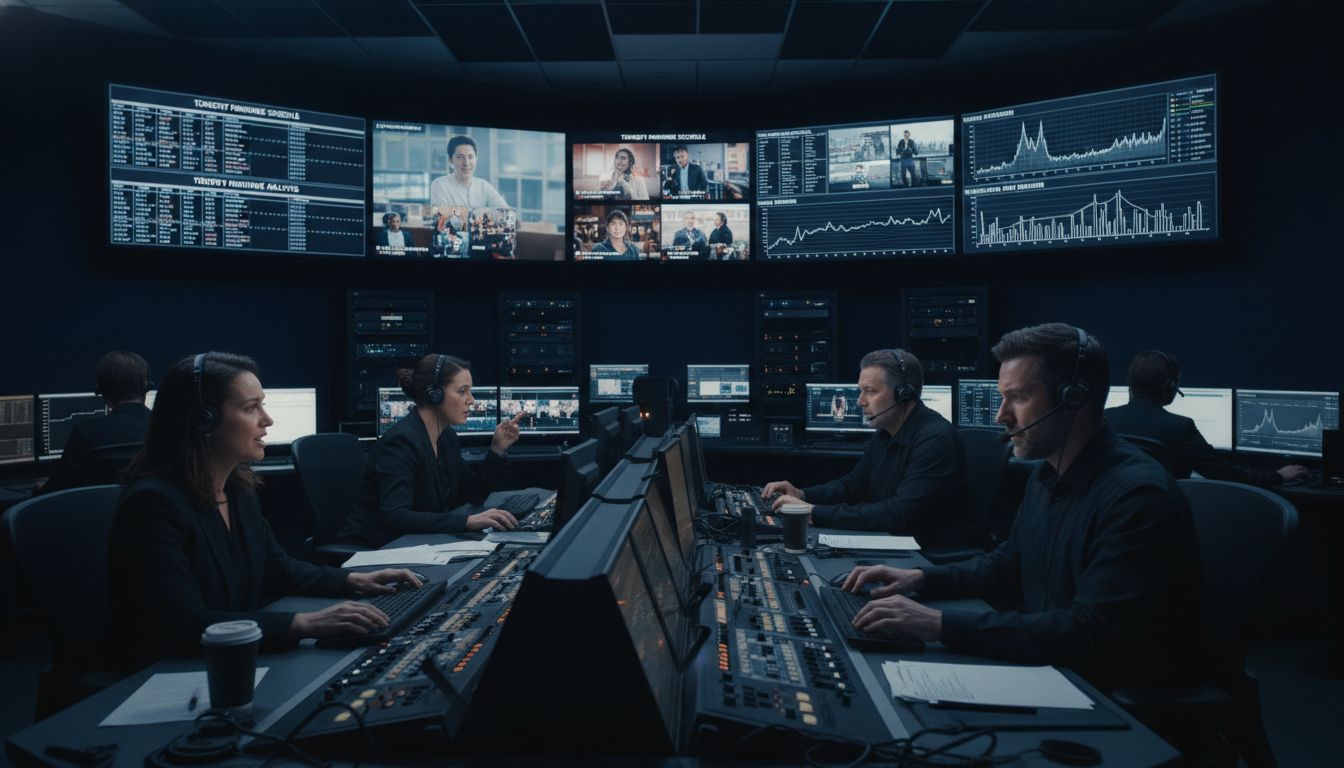
Network primetime scheduling is a sophisticated strategic process designed to maximize viewer engagement and advertising revenue. According to research from understanding TV schedules, television networks employ complex programming strategies that carefully orchestrate show placement and sequencing.
The core principles of primetime scheduling revolve around audience flow and strategic content positioning. Networks utilize several key tactics:
- Placing popular shows in strategic time slots
- Creating complementary program sequences
- Designing lead-in and lead-out programming
- Balancing diverse content to retain viewer interest
Traditionally, primetime spans three critical hours between 8:00 PM and 11:00 PM Eastern Time, when viewership peaks. During this window, networks strategically position their most compelling content to capture and maintain audience attention. This means carefully selecting show genres, managing program transitions, and understanding viewer preferences to create a seamless entertainment experience.
Advertising considerations play a significant role in primetime scheduling. Networks aim to create programming blocks that not only entertain but also provide maximum exposure for advertisers. By understanding viewer habits and crafting intelligent scheduling strategies, networks transform these evening hours into a powerful platform for storytelling and commercial engagement.
Differences Between Primetime in Major Regions
Primetime television scheduling varies significantly across different regions, reflecting unique cultural and broadcasting traditions. According to what is primetime, the concept of primetime is not universal but adapts to local viewing habits and regional broadcasting norms.
In North America, primetime follows a relatively standard structure:
- Weekdays: 8:00 PM to 11:00 PM Eastern/Pacific Time
- Weekdays: 7:00 PM to 10:00 PM Central/Mountain Time
- Sundays have a unique schedule, starting one hour earlier at 7:00 PM Eastern/Pacific
European and Asian markets demonstrate fascinating variations in primetime scheduling. While North American networks typically concentrate their top programming within a three-hour window, European broadcasters often have more fragmented primetime periods. Some European countries feature earlier primetime slots starting around 6:00 PM, reflecting different work and dinner schedules compared to North American audiences.
Interestingly, emerging markets like India and China have developed their own primetime models that blend traditional broadcast scheduling with digital streaming preferences. These regions often feature longer primetime windows and more diverse content strategies that cater to multi-generational household viewing patterns. By understanding these regional differences, networks can better tailor their programming to local audience expectations and maximize viewer engagement.
Here’s how primetime television scheduling compares across major regions:
| Region | Typical Primetime Hours | Key Characteristics |
|---|---|---|
| North America | 8:00 PM–11:00 PM ET/PT 7:00 PM–10:00 PM CT/MT | Standard 3-hour block Sunday starts earlier |
| Europe | 6:00 PM–10:00 PM (varies) | Earlier start Fragmented periods |
| Asia (India, China) | 7:00 PM–11:00 PM+ | Longer window Streaming influence |
Network Programming Strategies and Trends
Network programming has undergone a dramatic transformation in recent years, driven by technological advances and changing viewer behaviors. According to why television shows premiere in the fall, traditional broadcasting strategies are being reimagined to adapt to new media consumption patterns.
The rise of time-shifting has fundamentally altered how networks approach programming. Key strategic shifts include:
- Developing content that remains engaging across multiple viewing platforms
- Creating shows with broader cross-platform appeal
- Designing narrative structures that retain viewer interest
- Implementing flexible scheduling models
Traditionally, networks relied on lead-in and lead-out programming to maintain viewer engagement. This strategy involved carefully sequencing shows to prevent audience channel-switching. However, streaming platforms and DVR technologies have disrupted these conventional approaches, forcing networks to rethink how they attract and retain viewers.
Modern programming strategies now emphasize content quality and accessibility over rigid scheduling. Networks are increasingly investing in shows that can generate buzz across social media, create compelling narrative arcs, and provide value beyond traditional broadcast windows. By understanding viewer preferences and leveraging data-driven insights, networks are transforming their approach from linear scheduling to a more dynamic, audience-centric model of content delivery.
Impact of Primetime on TV Viewers and Industry
Primetime television continues to be a powerful cultural and economic force, despite the rise of streaming platforms. According to why primetime exists, this critical broadcasting window remains a significant driver of viewer engagement and industry revenue.
The viewership dynamics of primetime are remarkable:
- Live and same-day primetime programs attract an average of 3.9 million viewers
- Time-shifted viewing increases audience numbers by 41%
- Total weekly audience reaches approximately 5.5 million viewers
- Programs create shared cultural experiences across diverse audience segments
Beyond raw numbers, primetime serves as a crucial platform for cultural storytelling and social discourse. Networks use this time to showcase groundbreaking narratives, spark conversations, and connect with audiences on a deeper level. The economic implications are substantial, with advertisers recognizing primetime as the most valuable advertising real estate in television.
Modern primetime has evolved from a rigid broadcasting model to a more dynamic, audience-centric experience. By understanding viewer preferences and leveraging data-driven insights, networks are transforming primetime from a simple scheduling concept into a nuanced platform for entertainment, connection, and cultural exchange.
Frequently Asked Questions
What is network primetime?
Network primetime refers to the prime broadcasting hours on television, typically from 8:00 PM to 11:00 PM, when networks air their highest-quality programming to maximize viewer engagement and advertising revenue.
Why is primetime considered important for advertisers?
Primetime is crucial for advertisers because it offers a large audience reach, allowing networks to charge higher advertising rates during these peak viewing hours when most households are watching TV.
How do television networks schedule their primetime programming?
Television networks schedule their primetime programming by employing strategic tactics such as placing popular shows in prime slots, creating complementary program sequences, and managing the flow of content to retain audience interest.
How has streaming affected traditional primetime television?
Streaming has challenged traditional primetime models, prompting networks to rethink their programming strategies. This includes a focus on content quality, engaging multiple platforms, and embracing flexible scheduling to meet changing viewer behaviors.