
TV Ratings for Networks Now and Then

Before cable and streaming services, TV networks were the king. TV ratings for popular shows were huge. There was not too much competition, and they captured the attention of the masses. ABC, CBS, NBC, and FOX were only the true options for TV fans. It was normal for a very popular TV show to get over 20 and 30 million viewers per episode. That kind of viewership is almost impossible today for a popular series on a major network.
Let’s take a look at the number viewers per episode for popular TV shows in the 1980s
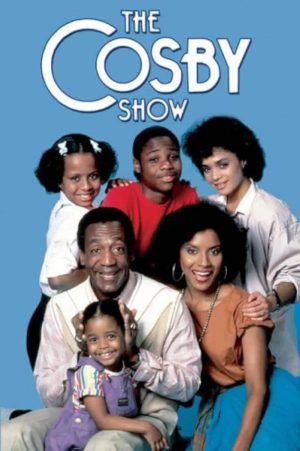


• “The Cosby Show” (30-40 million viewers per episode)
• “Dynasty” (20-30 million)
• “The Dukes of Hazzard” (20-30 million)
• “Dallas” (20-30 million)
• “The Golden Girls” (15-25 million)
And in the 1990’s
• “Friends” (20-30 million)
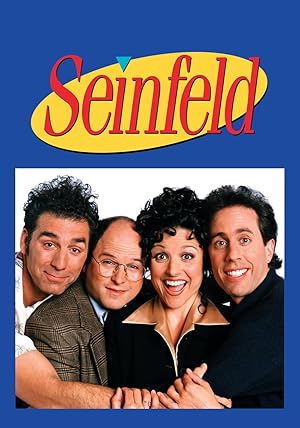
• “Seinfeld” (20-30 million)
• “ER” (20-30 million)
• “Law & Order” (15-25 million)
• “Home Improvement” (15-25 million)
There has been a big reduction in viewers compared to today. Mega hits like The Bing Back Theory, in their best seasons, have an average of 20 million viewers. But in general, a hit show on network TV is lucky to get 5-10 million viewers per episode.
Here is the decline by decade:
1980s: (30-40 million)
1990s: *** (20-30 million)
2000s: * (10-20 million)
2010s: * (5-10 million)
2020s: *** (1-5 million)
The introduction of cable and streaming services changed everything. Audiences now have many more options to choose from, and network TV shows have to compete for attention.
Advertising Money:
With the decline in ratings, network TV shows are struggling to attract advertisers. Ad money is now shared with cable and streaming services, so networks pay less money for shows than before. This results in lower production budgets (less money for talent, writers, and crew), shorter seasons, and more emphasis on targeted content. There are some exceptions, but overall, the decline in ratings has put pressure on networks to reduce costs and find new revenue streams.
Alternative: Networks’ Cable Channels and Streaming Services:
To stay relevant, networks have created their own cable channels and streaming services. For example, CBS has CBS All Access, and NBC has Peacock. This way, they can still reach their audiences and monetize their content.
The introduction of cable and streaming services changed everything. Audiences now have many more options to choose from, and network TV shows have to compete for attention.
Advertising Money:
With the decline in ratings, network TV shows are struggling to attract advertisers. Ad money is now shared with cable and streaming services, so networks pay less money for shows than before. This results in lower production budgets (less money for talent, writers, and crew), shorter seasons, and more emphasis on targeted content. There are some exceptions, but overall, the decline in ratings has put pressure on networks to reduce costs and find new revenue streams.
Alternative: Networks’ Cable Channels and Streaming Services:
To stay relevant, networks have created their own cable channels and streaming services. For example, CBS has CBS All Access, and NBC has Peacock. This way, they can still reach their audiences and monetize their content.
The Future:
Although network TV ratings may never be what they used to be, there’s still hope. By embracing the new world of cable and streaming, networks can find new ways to thrive.